

Entry Requirements
Minimum of 5x 9-4 grades in GCSE examinations including 5-5 in Combined Science (or in two sciences), 5 in Maths and 4 in English Language.
Minimum of 5x 9-4 grades in GCSE examinations including 5-5 in Combined Science (or in two sciences), 5 in Maths and 4 in English Language.
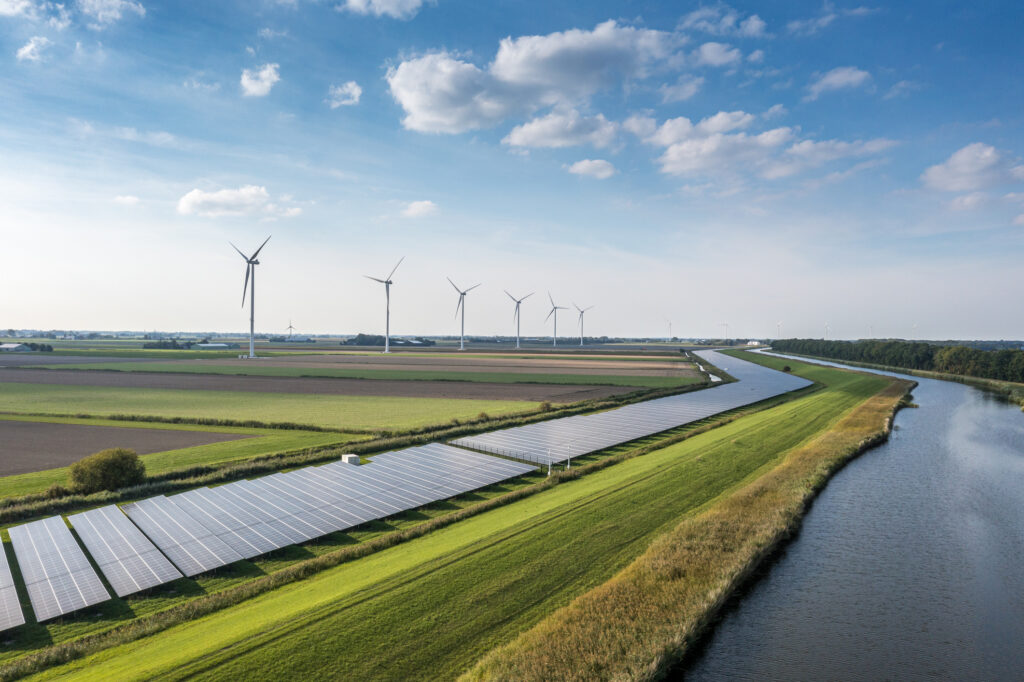
ESS is an interdisciplinary course that combines the methodologies, techniques, and knowledge of both the sciences and individuals and societies. It engages students in the challenges of 21st-century environmental issues. Students develop a scientific approach through explorations of environmental systems, while also acquiring understandings from social science subjects to study sustainability issues within social, cultural, economic, political, and ethical contexts.
Objectives
The ESS course is built around a conceptual approach. All students are encouraged to integrate the following three core concepts throughout the course:
Syllabus Themes
Assessment (SL)
The SL assessment is weighted 75% External and 25% Internal.
External (75%)
Internal (25%): Individual Investigation: An open-ended task where the student formulates a research question, gathers and analyses data, and submits a written report (maximum 3,000 words).
Environmental Science and Management • Environmental Law and Policy • Ecology and Conservation • Sustainability Consulting • Urban Planning • International Development • Renewable Energy • Geography
IBDP: you would take this as one of your SL subjects, fulfilling the Science or Individuals and Societies requirement.