

Entry Requirements
- 5+ GCSEs at 9-4
- Grade 6 in mathematics and 5 in English Language
- Grade 7-7 in combined science or 7 in biology and one other science.
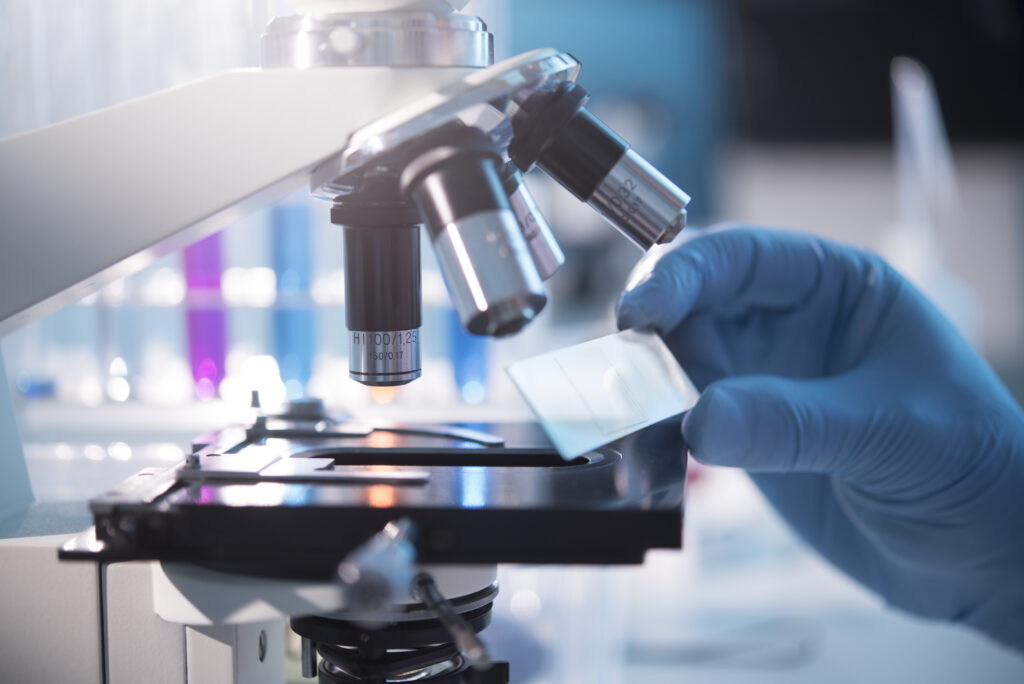
The course develops students’ understanding of life and living systems while fostering scientific inquiry, critical thinking, and practical investigation. It encourages students to be knowledgeable, inquiring, and open-minded, and to appreciate the impact of science on society, the environment, and global challenges.
Objectives
The course is built around three pillars:
1. Approaches to learning
2. Nature of science
3. Skills in the study of biology
Syllabus Themes
Unity and Diversity: water, nucleic acids, diversity of organisms, classification, conservation of biodiversity
Form and Function: proteins, membranes and transport, gas exchange, enzymes and metabolism, populations and communities
Interaction and Interdependence: Ecology, energy transfer, human impacts, symbiosis and competition
Continuity and Change: DNA replication, inheritance, homeostasis, natural selection, climate change
Experimental Programme
Assessment (HL)
External (80%): Paper 1 – multiple-choice and data-based questions;
Paper 2 – data-based, short-answer, and extended-response questions
Internal (20%): Scientific Investigation – open-ended research project with
a written report (max 3,000 words)
Medicine • Veterinary Science • Dentistry • Nursing • Physiotherapy • Pharmacology • Biomedical Science • Environmental Science • Genetics • Forensic Science • Marine Biology • Ecology • Teaching • Research • Biotech and Pharmaceutical Industries
IBCP: we recommend students study this alongside BTEC Sport or Health and Social Care and IB Psychology.
IBDP: you would take this as one of your HL subjects, fulfilling the Science requirement.